
Get Tree Shearing in St Louis, MO
Tree shearing services for property owners in St. Louis, MO, and nearby areas address overgrown, damaged, or hazardous trees through trimming, shaping, and removal projects.
Tree shearing services are often considered by property owners in St. Louis, MO to enhance the safety and appearance of their landscapes. Properly maintained trees can reduce the risk of falling branches during storms, preventing potential damage to property and ensuring the safety of residents and visitors. Additionally, well-shaped trees contribute to a more polished and inviting curb appeal, boosting the overall aesthetic of a property.
Beyond aesthetics, tree shearing can improve the functionality and longevity of trees, helping to promote healthy growth and reduce the likelihood of disease or decay. This maintenance can also lead to decreased ongoing care needs, such as trimming or removal, and can make outdoor spaces more comfortable and accessible. Engaging experienced local professionals ensures that the work is performed effectively, providing property owners with peace of mind and lasting benefits.
- Overgrown Tree Branches - Tree shearing services are often needed to remove overgrown branches that pose a risk of falling or causing damage.
- Storm Damage Cleanup - After storms, professional shearing can help clear broken or hazardous branches from trees.
- Landscape Maintenance - Regular shearing is useful for shaping trees and maintaining a neat, aesthetic landscape.
- Fruit Tree Pruning - Fruit growers may seek shearing to promote healthy growth and improve fruit production.
- Safety Clearance - Tree shearing services are necessary to create safe clearance around power lines, buildings, and walkways.
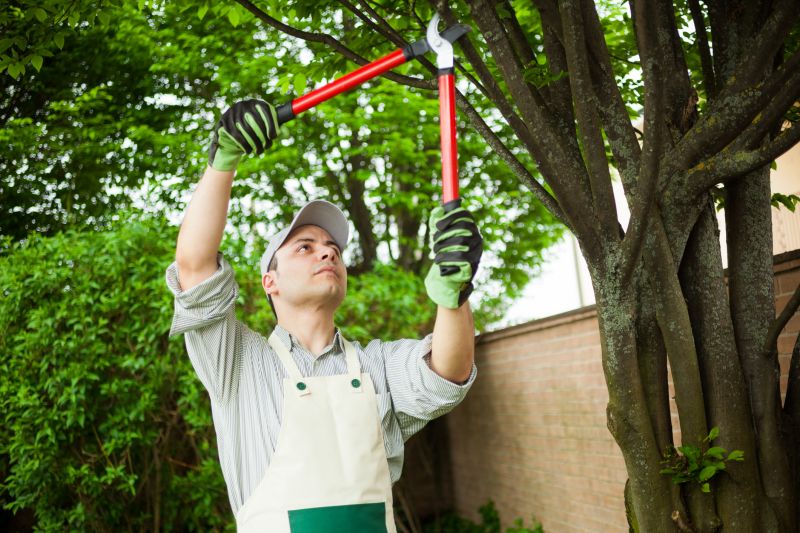
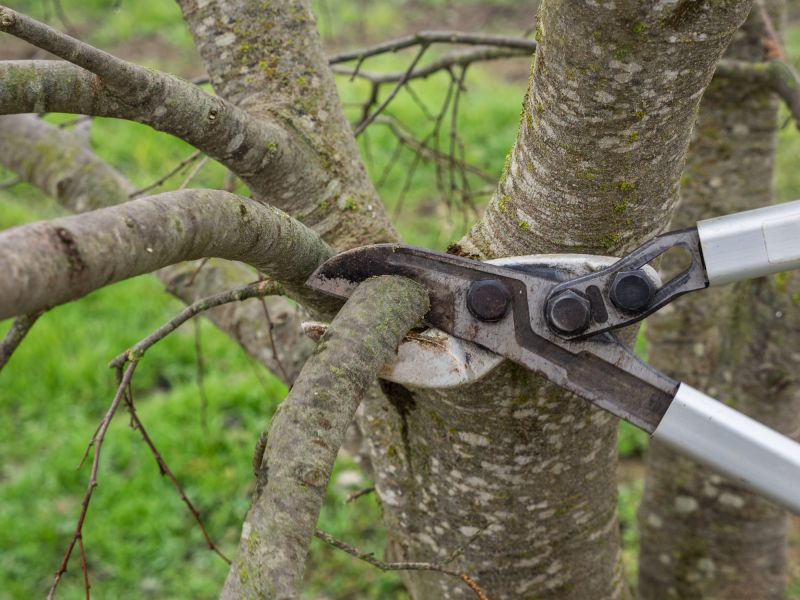
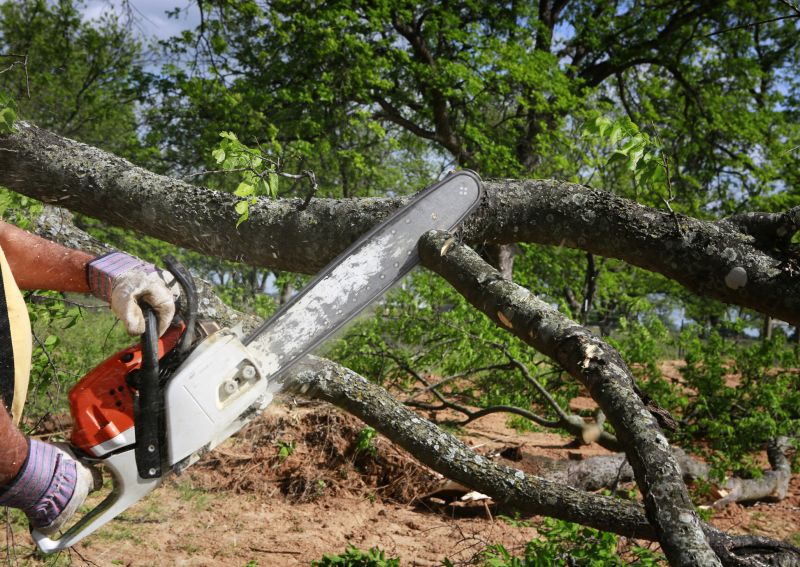
Tree shearing services involve trimming and shaping trees to maintain their health, appearance, and safety. This process typically includes removing overgrown or damaged branches, thinning out dense foliage, and sculpting the tree to achieve a desired form. Professionals use specialized tools and techniques to carefully prune trees, ensuring that the natural growth pattern is preserved while addressing specific concerns. Proper shearing can also help improve air circulation and sunlight penetration within the canopy, promoting healthier growth over time.
One of the primary reasons for seeking tree shearing services is to address safety concerns related to overgrown or unstable branches. Dead, diseased, or weak limbs can pose risks to nearby structures, pedestrians, or vehicles, especially during storms or high winds. Additionally, overgrown trees can interfere with power lines, obstruct views, or encroach on neighboring properties. Regular shearing helps mitigate these hazards by removing problematic branches before they become a safety issue, reducing the likelihood of damage or injury.
Property types that commonly utilize tree shearing services include residential yards, commercial landscapes, and public parks. Homeowners often seek these services to enhance curb appeal and ensure safety around their properties. Commercial property managers may prioritize maintaining a neat appearance and preventing potential liabilities caused by falling branches. Public parks and community spaces also benefit from regular tree shearing to promote healthy growth, improve aesthetics, and ensure the safety of visitors.
Professional tree shearing services are tailored to meet the specific needs of each property. Whether it involves shaping ornamental trees, maintaining privacy screens, or managing large shade trees, local service providers offer expertise to handle diverse types of trees and landscapes. Contacting experienced pros can help property owners achieve well-maintained, safe, and visually appealing trees that complement their overall property management goals.
The overview below groups typical Tree Shearing projects into broad ranges so you can see how smaller, mid-sized, and larger jobs often compare in St Louis, MO.
In many markets, a large share of routine jobs stays in the lower and middle ranges, while only a smaller percentage of projects moves into the highest bands when the work is more complex or site conditions are harder than average.
Per Tree Cost - The cost to shear a single tree typically ranges from $75 to $300, depending on size and complexity. Smaller trees may be on the lower end, while larger or more difficult trees can cost more.
Hourly Rates - Tree shearing services often charge between $50 and $150 per hour. The total cost depends on the number of trees and the time required to complete the work.
Project-Based Pricing - For larger projects, prices may be quoted as a flat fee, generally between $200 and $1,000. This range varies based on the number of trees and the extent of shearing needed.
Additional Fees - Extra charges may apply for special circumstances such as difficult access or hazardous conditions, typically adding $50 to $200 to the overall cost. Contact local providers for precise estimates based on specific needs.
Actual totals will depend on details like access to the work area, the scope of the project, and the materials selected, so use these as general starting points rather than exact figures.
Tree Trimming services often include shearing to shape and maintain the desired form of trees, enhancing their appearance and health.
Hedge and Shrub Shearing involves precise trimming to create uniform, tidy hedges and shrubs that complement landscape designs.
Ornamental Tree Shearing focuses on shaping decorative trees to achieve specific aesthetic effects for residential or commercial properties.
Landscape Maintenance providers may offer shearing as part of regular upkeep to keep trees and shrubs looking well-groomed and balanced.
Storm Damage Cleanup services can involve shearing to remove broken or hazardous branches following severe weather events.
Tree Health and Safety Services may include shearing to remove dead or diseased branches, reducing risks and promoting healthy growth.
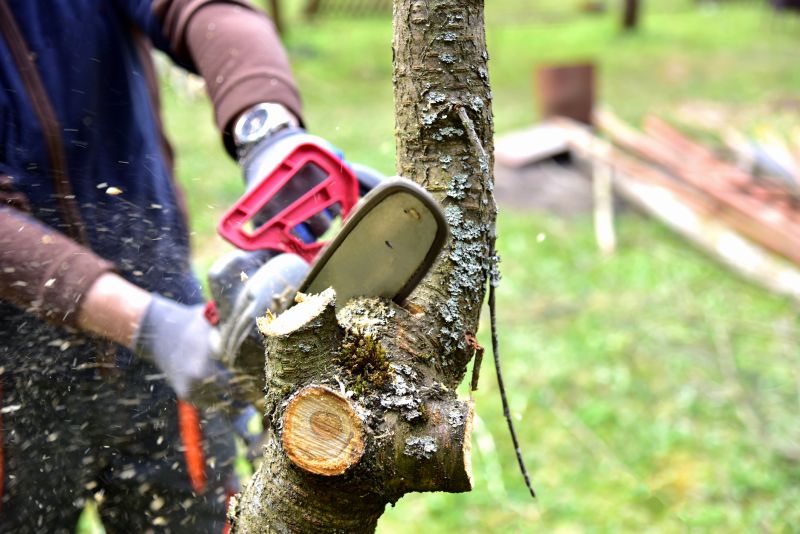
When selecting a tree shearing service, it is important to consider the experience of the local professionals. Homeowners should inquire about how long a contractor has been providing tree shearing in the area, as well as their familiarity with different tree species and pruning techniques. A well-established provider often has a history of working with local trees and landscapes, which can contribute to more consistent and reliable results.
Clear written expectations are essential for a successful project. Homeowners are encouraged to discuss the scope of work, including specific shearing styles, the extent of trimming, and any additional services needed. Reputable contractors typically provide detailed estimates or service descriptions that outline what will be done, helping to ensure transparency and mutual understanding before work begins.
Reputable references and effective communication are key indicators of a dependable tree shearing provider. Homeowners should seek out local pros who can offer references from previous clients, demonstrating a track record of quality work. Additionally, open and responsive communication during the planning process can help address questions or concerns, ensuring that expectations are aligned and the project proceeds smoothly.
Property owners in St Louis, MO use Tree Shearing services for practical projects around their homes and businesses. The sections below highlight everyday jobs and straightforward project options.
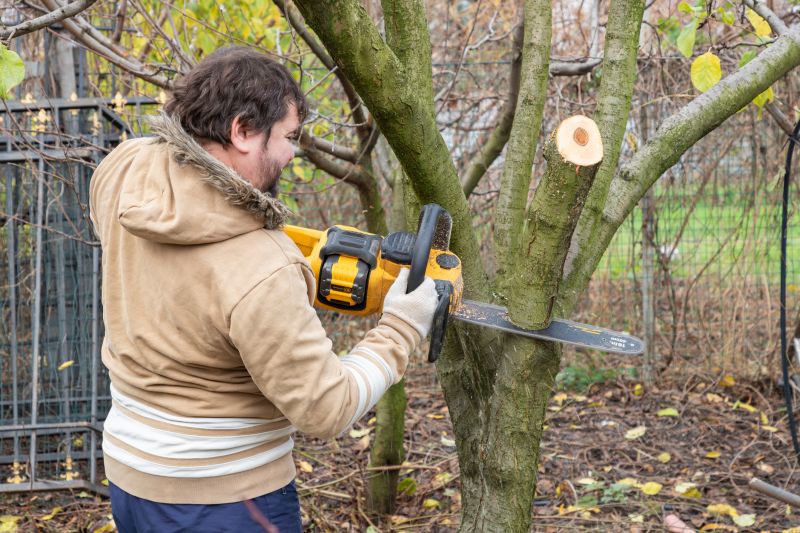
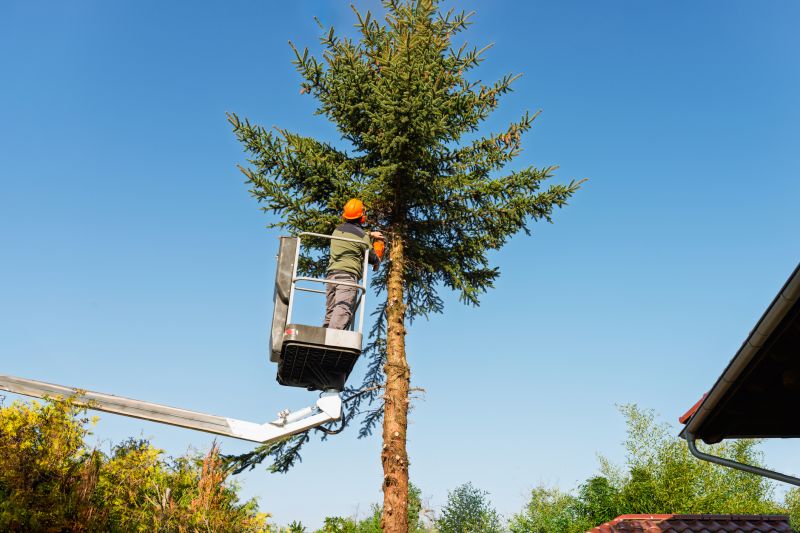
Tree shearing services are commonly sought by property owners in St. Louis, MO, when trees have overgrown or developed uneven canopies that affect the overall appearance of a property. Homeowners may request this work to improve the aesthetics of their yard, especially before events or seasonal changes. Additionally, trimming or shearing trees can help prevent branches from interfering with power lines, structures, or walkways, reducing the risk of damage during storms or high winds.
Property owners might also look for tree shearing to promote healthier growth or to remove diseased or damaged branches. Regular maintenance can help trees remain strong and resilient, supporting the overall landscape. Whether preparing for seasonal storms or simply maintaining a tidy yard, local tree shearing professionals can assist with the necessary trimming and shaping to meet individual property needs.
What is tree shearing? Tree shearing involves trimming and shaping trees to improve their appearance and health, often by removing overgrown branches or creating specific forms.
When should tree shearing be performed? Shearing is typically done when trees need aesthetic shaping, overgrowth management, or to maintain safety by removing hazardous branches.
Are there different methods of tree shearing? Yes, various techniques exist, including crown thinning, crown reduction, and formal shaping, depending on the desired outcome and tree type.
Is tree shearing suitable for all types of trees? Not all trees require shearing; it is generally suitable for ornamental and certain landscape trees, but a professional can advise on the best approach.
How can I find local tree shearing services? Contacting local tree care providers or landscaping companies can connect you with experienced professionals in your area.
Tree Shearing Services - Professionals offer tree shearing to maintain the shape and health of trees in residential and commercial landscapes.
Tree Shearing Benefits - Proper shearing can promote even growth and improve the appearance of trees while reducing potential hazards.
Choosing Tree Shearing Experts - Contact local tree care providers to find experienced professionals who specialize in tree shearing techniques.
Tree Shearing Tips - Consult with local specialists to determine the best shearing practices for specific tree species and landscape needs.
Considering Tree Shearing for a property in St Louis, MO? The sections above highlight common project types, practical options, and details that often shape the scope of work.
When you are ready, use the quote form to share a few details about your project. Local pros can review the basics and respond with options that match what you have in mind.